
Hi, I'm Chen Bin. I live in Texas.
Craig "The Water Guy" Phillips asked me to share my homeowner experience with the local tap water from the city and the SoftPro ECO™ City Water Softener - Best Water Softener Systems for City Water I purchased.
This is how my adventures played out. I hope this helps you in your decision.
Did you know that even treated city water can contain enough hardness minerals to create havoc in your home?

Living in Texas, I assumed our municipal water treatment would handle these issues completely. After all, the city meets all EPA standards for safety and quality. However, I learned that water can be perfectly safe to drink while still containing dissolved calcium and magnesium that create problems throughout your home's plumbing system and appliances.
The breaking point came when my dermatologist mentioned that hard water could be contributing to my family's dry skin issues. My wife had been complaining about her hair feeling brittle after washing, and our youngest daughter developed mild eczema that seemed to worsen after baths. That's when I decided to investigate our water quality seriously and explore solutions that could address these interconnected problems.
Understanding My City Water Problems
Before jumping into any purchases, I wanted to understand exactly what I was dealing with. I contacted our city's water department and discovered that our municipal supply typically ranges between 8-12 grains per gallon of hardness - definitely in the "hard" category that can cause household issues.
What exactly makes city water "hard" even after treatment?
The city treatment process focuses primarily on disinfection and removing harmful contaminants like bacteria, viruses, and chemical pollutants. However, the naturally occurring minerals that cause hardness - primarily calcium and magnesium carbonate - aren't removed because they're not considered health hazards. In fact, these minerals can provide some nutritional benefits when consumed.
The problem arises when these dissolved minerals interact with soap, heat, and surfaces throughout your home. When hard water evaporates, it leaves behind mineral deposits that accumulate over time. When it's heated in your water heater or coffee maker, these minerals precipitate out of solution and form scale buildup that reduces efficiency and shortens appliance lifespan.
I tested our water using a TDS meter and hardness test strips from the hardware store. The results confirmed what the city had told me: our water measured 180-220 parts per million total dissolved solids, with a hardness level of approximately 10 grains per gallon. This explained why my water heater seemed to be working harder lately and why soap didn't lather as well as I remembered from my previous home.
The financial impact was becoming clear too. I calculated that we were using nearly twice as much shampoo and body wash compared to when we lived in a different city with softer water. Our dishwasher detergent consumption had increased, and I was purchasing specialized cleaning products to combat the mineral buildup on fixtures and glass surfaces.
Beyond the immediate annoyances, I researched the long-term implications. Scale buildup in water heaters can reduce efficiency by 20-30%, leading to higher energy bills and premature replacement needs. Appliances like dishwashers, washing machines, and coffee makers all suffer reduced performance and shorter lifespans when subjected to hard water over time.
Research and Decision Process
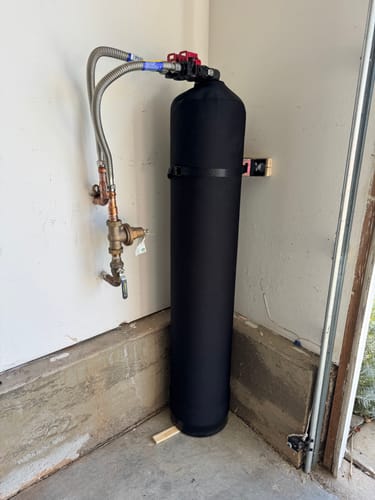
Once I understood the scope of our hard water challenges, I began researching solutions systematically. The market offers several approaches to treating hard water, each with distinct advantages and limitations that I needed to evaluate carefully.
Should I consider a salt-free water conditioner instead of a traditional ion exchange softener?
This question dominated my initial research. Salt-free systems, also called Template Assisted Crystallization (TAC) systems, don't actually remove hardness minerals but rather change their structure to reduce scale formation. While appealing from a maintenance standpoint, I learned that these systems don't address soap performance, skin and hair benefits, or the aesthetic issues with spots on dishes and fixtures.
Traditional ion exchange water softeners use resin beads to swap calcium and magnesium ions with sodium ions, effectively removing hardness minerals from the water. This process addresses all the issues I was experiencing but requires periodic regeneration with salt and produces some wastewater during the cleaning cycle.
I also investigated reverse osmosis systems, but these are typically designed for drinking water treatment rather than whole-house applications. The cost and complexity of a whole-house RO system exceeded both my budget and actual needs, since I wasn't concerned about dissolved minerals from a health perspective.
Capacity became a crucial consideration in my evaluation process. Our household of four uses approximately 300 gallons of water per day, including showers, dishwashing, laundry, and general household needs. I learned that softener capacity is measured in grains of hardness removal, and I needed to calculate our daily hardness load: 300 gallons × 10 grains per gallon = 3,000 grains per day.
Most residential softeners range from 24,000 to 64,000 grain capacity, which translates to 8-21 days between regeneration cycles for our usage pattern. I preferred a system that would regenerate weekly or less frequently to minimize salt consumption and water waste.
The SoftPro ECO caught my attention because of its high-efficiency design and demand-initiated regeneration system. Unlike timer-based systems that regenerate on a fixed schedule regardless of actual water usage, the ECO monitors water consumption and only regenerates when the resin bed approaches saturation. This feature appealed to me both from an efficiency standpoint and because our water usage varies significantly depending on travel and seasonal factors.
Unboxing and Initial Assessment
The SoftPro ECO arrived via freight delivery approximately ten days after ordering, packaged securely on a pallet with protective foam and plastic wrapping. The delivery driver used a pallet jack to position it in my garage, which was fortunate because the complete system weighs approximately 150 pounds.
My first impression focused on the build quality and professional appearance. The mineral tank features a durable fiberglass construction with a smooth gel-coat finish that looks substantially more robust than the plastic tanks I had seen on some competing models. The control valve assembly appeared well-engineered, with clearly labeled connections and a digital display that was easy to read.
The system includes everything needed for a complete installation: the main mineral tank pre-loaded with high-capacity resin, a separate brine tank for salt storage, connecting tubing, a bypass valve assembly, and comprehensive installation documentation. The bypass valve particularly impressed me because it allows you to isolate the softener for maintenance or bypass it entirely if needed.
Does the SoftPro ECO require any special electrical connections?
The system operates on standard 110V household current and includes a 12-foot power cord with a standard plug. This eliminated my concern about needing an electrician for installation, though you do need an outlet near the installation location.
I spent considerable time reviewing the installation manual and programming guide before attempting setup. The documentation is thorough and includes clear diagrams for various plumbing configurations. However, I noticed that successful installation requires basic plumbing knowledge and comfort working with pipe fittings and connections.
The digital control head offers extensive programming options for customizing regeneration schedules, backwash times, and efficiency settings based on your specific water conditions and usage patterns. While this flexibility is valuable, it can feel overwhelming initially - the manual includes a quick-start guide that helps you get the system running with basic settings before diving into advanced customization.
Installation Experience

I chose to install the SoftPro ECO myself, primarily to save on installation costs but also because I wanted to understand the system thoroughly. The installation required a full Saturday, though someone with more plumbing experience could probably complete it in 4-5 hours.
The most critical decision involved selecting the installation location. The system requires access to the main water line before it branches to various fixtures, adequate drainage for the regeneration cycle, electrical power, and sufficient space for salt loading and maintenance access. I installed mine in the garage near the water heater, which provided easy access to all required utilities.
What's the most challenging part of installing a whole-house water softener?
For me, cutting into the main water line created the most anxiety. This step requires shutting off water to the entire house and making precise cuts to install the bypass valve assembly. I used a pipe cutter for clean cuts and compression fittings to minimize the risk of leaks, though soldered connections would provide a more permanent installation.
The SoftPro system uses 1-inch connections, which matched my main water line perfectly. However, I needed to install a drain line for the regeneration cycle, which required running 1/2-inch tubing approximately 15 feet to my utility sink. The system produces about 25 gallons of wastewater during regeneration, so proper drainage is essential.
Programming the control head took longer than the physical installation. The system needs to know your water hardness level, iron content (if any), household size, and preferred regeneration schedule. I used the hardness test results I had obtained earlier and configured the system for maximum efficiency based on our usage patterns.
The initial startup process includes a manual regeneration cycle to properly softpro water softener charge the resin bed and verify all connections. This cycle takes approximately 90 minutes and allows you to observe the system operation and check for any leaks or issues before putting it into regular service.
I encountered one minor challenge during installation: the brine tank requires careful leveling to ensure proper salt dissolution and brine draw during regeneration. The garage floor had a slight slope that required adjusting the tank position and using shims to achieve perfect level.
Performance Analysis and Results
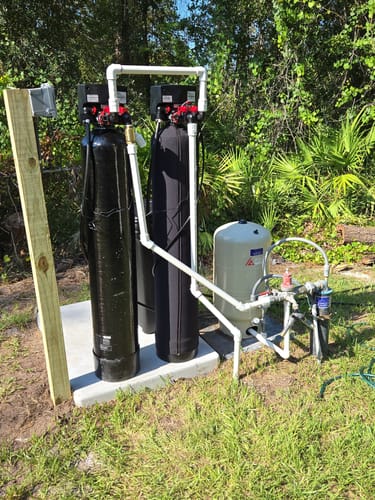
After eight months of operation, I can provide a comprehensive assessment of the SoftPro ECO's performance across various metrics that matter most to homeowners dealing with hard water issues.
How effectively does the SoftPro ECO remove hardness minerals from city water?
Testing results consistently show hardness levels dropping from our incoming 10 grains per gallon to less than 1 grain per gallon throughout the house. I test monthly using both digital TDS meters and hardness test strips to monitor performance consistency. The system maintains this level of effectiveness even as it approaches regeneration time, indicating that the demand-initiated regeneration timing is properly calibrated.
The most noticeable improvements appeared within the first week of operation. Our glassware emerged from the dishwasher completely spot-free, and the persistent white film on shower doors disappeared entirely. More importantly, new mineral deposits stopped forming, which meant our regular cleaning routine became much more effective and required significantly less effort.
Soap and detergent performance improved dramatically throughout the house. Shampoo and body wash now produce rich, luxurious lather that rinses clean without leaving residue. Our laundry detergent usage decreased by approximately one-third while achieving better cleaning results, and fabric softener became almost unnecessary because clothes naturally feel softer when washed in soft water.
I measured specific improvements in our coffee maker performance by timing brewing cycles and evaluating taste quality. Before softening, our coffee maker took progressively longer to brew a full pot due to scale buildup restricting water flow. After installation, brewing times decreased by about 20%, and the coffee tastes noticeably cleaner without the mineral interference that was affecting flavor extraction.
The water heater efficiency improvements became evident on our utility bills after several months. While multiple factors affect energy costs, our hot water heating costs decreased by approximately 15% compared to the same period the previous year. The water heater also reaches target temperatures more quickly and maintains consistent hot water pressure throughout extended usage periods.
Long-term appliance protection represents one of the most valuable but hardest-to-measure benefits. Our dishwasher no longer shows mineral buildup on the heating element, and the washing machine's internal components remain scale-free. While these improvements won't show dramatic results immediately, they should significantly extend appliance lifespan and maintain peak operating efficiency.
Daily Living Impact and Family Benefits
The transformation in our daily routines and quality of life has been more significant than I anticipated when I first researched water softening solutions. These improvements extend far beyond the technical performance metrics and create genuine value in how our family experiences our home environment.
How has soft water affected our family's skin and hair health?
My wife noticed improvements in her hair texture within just a few washes. Her hair feels softer, more manageable, and requires significantly less conditioner to achieve the same smoothness she previously struggled to maintain. The brittleness and tangling issues that had developed over our years in this house gradually disappeared as the harsh mineral deposits were no longer coating and damaging her hair strands.
Our daughter's mild eczema showed marked improvement after about six weeks of bathing in soft water. While we can't attribute this entirely to water quality changes - we also adjusted some of her skincare products - the timing correlation is compelling. Her skin appears less irritated after baths, and she no longer complains about itching or tightness that previously required constant moisturizing.

I personally experienced less dry skin during winter months, which had been a persistent issue in our previous years here. The soft water allows soap and body wash to rinse completely clean rather than leaving mineral residue that can clog pores and create dryness. Our consumption of moisturizers and lotions decreased noticeably as our skin's natural moisture balance improved.
Household cleaning tasks became substantially easier and more effective across all surfaces. Bathroom fixtures that previously required weekly scrubbing with specialized mineral deposit removers now stay clean with simple weekly wiping. The glass shower doors maintain their clarity with basic cleaning, and soap scum formation has virtually disappeared.
Kitchen cleanup improved dramatically, particularly for dishes, cookware, and countertops. Spots and film no longer appear on dishes and glassware, even when they air dry. Stainless steel surfaces maintain their shine with minimal effort, and calcium buildup no longer accumulates around faucets and sink areas.

Laundry results exceeded my expectations in several ways. Clothes feel noticeably softer and appear brighter after washing in soft water. White garments maintain their brightness longer, and colors appear more vibrant because mineral deposits aren't dulling the fabric appearance. Towels regained their original fluffiness and absorbency that had gradually diminished over time.
Visitors and service technicians have commented on our water quality without prompting. Our pool maintenance service mentioned that our garden hose water doesn't leave mineral spots on their equipment. A houseguest specifically asked about our "amazing water pressure" in the shower, not realizing that the pressure hadn't changed - the soft water simply rinses more effectively and creates a more luxurious feeling.
Operating Costs and Maintenance Reality
Understanding the true cost of ownership requires tracking both expected expenses like salt and electricity, as well as unexpected savings in other areas that offset the operational costs significantly.
What does it actually cost to operate a water softener monthly?
Salt consumption averages approximately 40 pounds per month for our family of four, costing about $8-12 depending on the type and source. I use solar salt pellets from the hardware store, which dissolve cleanly and minimize brine tank maintenance. The system's high-efficiency design means it uses substantially less salt per gallon softened compared to older or less efficient models.
Electricity consumption is minimal but measurable - approximately 2-3 kWh per month to power the control valve and regeneration cycles. This adds roughly $3-5 to our monthly electric bill depending on current rates. The demand-initiated regeneration schedule minimizes unnecessary cycles, keeping both salt and electricity consumption optimized for our actual usage patterns.
Water usage during regeneration cycles totals about 25 gallons per cycle, and our system regenerates approximately every 8-10 days depending on usage. This represents roughly 75-100 gallons monthly of additional water consumption, adding $15-20 to our water bill. However, this cost must be viewed in context with the savings generated in other areas.
Cleaning product consumption decreased dramatically across all categories. Our dishwasher detergent usage dropped by about 30% because soft water enhances cleaning effectiveness. Laundry detergent consumption similarly decreased, and we eliminated fabric softener entirely. Specialized bathroom cleaners for mineral deposits became unnecessary, saving approximately $15-20 monthly on various cleaning products.
Personal care product efficiency improved substantially. Shampoo, conditioner, and body wash usage decreased because these products work more effectively in soft water and rinse completely clean. While difficult to quantify precisely, our family estimates saving 20-25% on these products, which adds up to meaningful monthly savings.
Long-term maintenance costs remain minimal after eight months of operation. I've performed one brine tank cleaning to remove accumulated sediment, which took about 30 minutes and required no special tools or materials. The resin bed should last 10-15 years under normal conditions, and the control valve includes a five-year warranty covering the electronic components.
The total monthly operational cost averages $35-45, while savings on cleaning products, detergents, and personal care items offset approximately half of this expense. The net monthly cost of $15-25 represents excellent value when considering the lifestyle improvements, appliance protection, and long-term savings on major appliance replacement and maintenance.
Honest Assessment: Limitations and Considerations
After eight months of ownership, several limitations and ongoing considerations have become apparent that potential buyers should understand before making their decision.
The most significant ongoing responsibility involves salt management and brine tank maintenance. Loading 40-50 pounds of salt monthly requires physical effort and planning, particularly if your installation location isn't easily accessible to your vehicle. I underestimated how much space salt storage would require and now keep a month's supply in my garage year-round.
Does the regeneration cycle create any household disruptions?
The system regenerates during programmed hours (I set mine for 2:00 AM), and while it operates quietly, the water pressure does decrease slightly during the 90-minute cycle. This hasn't caused problems for our family, but households with unusual schedules or high late-night water usage might need to adjust regeneration timing carefully.
Sodium content in softened water increases proportionally to the original hardness level. While this increase is relatively small - approximately 12.5 mg per 8-ounce glass for our 10-grain water - individuals on strict low-sodium diets should consult their physicians. We installed a separate drinking water line that bypasses the softener for cooking and drinking, adding about $200 to our installation cost.
The system requires a dedicated drain connection capable of handling 25 gallons of discharge during regeneration. This wasn't an issue in our garage installation, but basement or crawl space installations might require additional plumbing work that could increase installation complexity and cost significantly.
Programming complexity initially felt overwhelming, though this became less problematic over time. The control head offers numerous customization options that require understanding your specific water conditions and usage patterns. The learning curve isn't insurmountable, but it demands more attention than simply "set it and forget it" operation.
Space requirements exceeded my initial estimates when accounting for salt storage, maintenance access, and proper clearances around the tanks. The system itself occupies approximately 4 square feet of floor space, but you need additional room for salt bags, access to the brine tank, and clearance around the control head for programming and service.
Vacation or extended absence considerations require advance planning. The system continues regenerating on schedule regardless of water usage, which wastes salt and water when nobody's home. I learned to put the system in vacation mode for trips longer than a week, though this requires remembering to reprogram it upon return.
Regional variations in salt availability and pricing can affect operational costs significantly. During winter weather events, salt prices can spike temporarily, and availability might become limited if supply chains are disrupted. I now purchase salt in larger quantities during favorable pricing periods to minimize these fluctuations.