
Hi, I'm Vic S. I live in Maryland.
Craig "The Water Guy" Phillips asked me to share my homeowner experience with local tap water from the city and the SoftPro ECO™ City Water Softener - Best Water Softener Systems for City Water I purchased.
This is how my adventures played out. I hope this helps you in your decision.
Did you know that even "treated" city water can wreak havoc on your home's plumbing and your family's daily comfort?
I learned this the hard way after years of dealing with stubborn mineral buildup, dry skin after every shower, and that unmistakable metallic taste in our drinking water. Living in Maryland, I always assumed our municipal water treatment meant we were getting quality H2O straight from the tap. Boy, was I wrong.
My journey with the SoftPro ECO City Water Softener began about eight months ago when I finally got fed up with scrubbing white crusty deposits off every faucet and showerhead in our house. The breaking point came when our relatively new dishwasher started leaving spots on glassware that looked like they'd been dipped in chalk water.
What started as a simple search for "why is my water so hard" turned into a deep dive into municipal water treatment limitations and the reality that city water, while safe to drink, often carries dissolved minerals that create all sorts of household headaches.
The Problem That Pushed Me Over the Edge
Let me paint you a picture of what living with untreated city water looked like in our Maryland home. Every morning, I'd wake up to water spots on the coffee maker that seemed to appear overnight. My wife constantly complained about her hair feeling "sticky" and her skin being uncomfortably dry, especially during the winter months.
The real eye-opener came when I started measuring our water's total dissolved solids (TDS) with a basic testing kit. Our municipal supply was registering around 180-220 parts per million, with hardness levels hitting 12 grains per gallon on some days. To put that in perspective, anything above 7 grains per gallon is considered "hard" water.
But what exactly causes water hardness in city water systems?
The culprits are primarily calcium and magnesium ions that dissolve into the water as it travels through underground pipes and treatment facilities. Even after municipal chlorination and filtration, these dissolved minerals remain because they're not considered harmful to human health. However, they create absolute havoc with soap effectiveness, appliance efficiency, and that overall "clean" feeling after washing.
I noticed our water heater was cycling more frequently, and our energy bills crept upward. The calcium carbonate buildup was acting like an insulating blanket inside the heating elements, forcing the system to work harder to reach target temperatures. Our plumber mentioned during a routine service call that he was seeing premature wear on fixtures throughout the house – all classic signs of hard water damage.
The financial impact was becoming impossible to ignore. We were going through fabric softener like crazy, using twice the recommended amount of laundry detergent, and replacing showerheads every six months due to mineral clogging. I calculated we were spending an extra $40-50 monthly just trying to combat the effects of our hard city water.
Research Phase: Learning the City Water Challenge
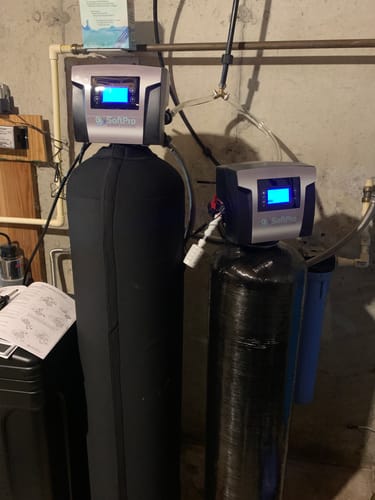
My research journey started with understanding why city water treatment doesn't address hardness. Municipal facilities focus on removing harmful bacteria, viruses, and chemical contaminants through chlorination and filtration processes. Hardness minerals like calcium and magnesium are actually beneficial for drinking, so they're intentionally left in the water supply.
This created an interesting dilemma: the water was perfectly safe to drink but terrible for household use. I discovered that many homeowners in our area faced identical challenges, particularly those living in neighborhoods with older infrastructure where mineral pickup is more pronounced.
I spent weeks comparing different softening technologies. Traditional salt-based ion exchange systems work by swapping calcium and magnesium ions with sodium ions through specialized resin beads. Salt-free systems use different approaches like template-assisted crystallization (TAC) or catalytic media that change the structure of minerals without actually removing them.
What made the SoftPro ECO particularly appealing for city water applications?
Several factors stood out during my evaluation. First, the system is specifically designed to handle the chlorine and chloramines present in municipal water supplies without degrading the resin bed prematurely. Many generic softeners suffer shortened lifespans when processing chlorinated city water.
The ECO model features a metered control head that regenerates based on actual water usage rather than a preset timer. This was crucial for our household because city water demand varies significantly – we use much more water during summer months for gardening and pool maintenance.
I also appreciated the system's NSF certification for both safety and performance standards. The WQA Gold Seal certification indicated third-party verification of the manufacturer's capacity and efficiency claims, which gave me confidence in the investment.
Unboxing and First Impressions
The SoftPro ECO arrived via freight delivery in late March, packaged in a substantial cardboard crate with foam protection. My first impression was the unit's solid construction – this wasn't some lightweight plastic contraption but a serious piece of equipment built for long-term residential use.
The fiberglass resin tank measured approximately 10 inches in diameter and 44 inches tall, which fit perfectly in the designated corner of our basement utility room. The brine tank was a heavy-duty polyethylene construction with a 200-pound salt capacity, meaning less frequent https://www.softprowatersystems.com/collections/water-softeners-for-city-water maintenance trips to load softener salt.
Documentation quality exceeded my expectations. The installation manual included detailed diagrams for various plumbing configurations, electrical requirements, and step-by-step programming instructions. SoftPro also included a water testing kit to verify system performance after installation.

The digital control head looked modern and intuitive, with a clear LCD display showing system status, remaining capacity, and regeneration scheduling. Build quality was immediately apparent in the solid feel of the control knobs and the precision fit of all components.
Installation Experience and Initial Setup

I chose professional installation despite being fairly handy with plumbing projects. City water installations require integration with existing meter connections, and I wanted to ensure proper bypass valve installation for any future maintenance needs.
The certified installer arrived promptly and completed the entire job in about four hours. Installation required cutting into the main water line just after the meter, installing a bypass valve assembly, connecting inlet and outlet plumbing, and running a dedicated drain line for regeneration cycles.
Electrical requirements were minimal – just a standard 120V outlet for the control head. The installer positioned the unit with adequate clearance for salt loading and future service access, then spent considerable time programming the system for our specific water conditions and household size.
What surprised me most about the initial startup process?
The system's automatic calibration feature impressed me immediately. After entering our water hardness level (12 grains per gallon) and household size (4 people), the control head calculated optimal regeneration frequency and salt usage patterns automatically.
We performed an immediate regeneration cycle to activate the resin bed, which took approximately 90 minutes. The installer explained each phase – backwash to remove sediment, brine draw to recharge the resin, and final rinse to remove excess salt solution.

Initial water testing showed hardness levels dropping from 12 grains per gallon to less than 1 grain per gallon within hours of system activation. The transformation was immediately noticeable in water "feel" – it had that slippery, smooth texture characteristic of properly softened water.
Performance Analysis: Real-World Testing Results
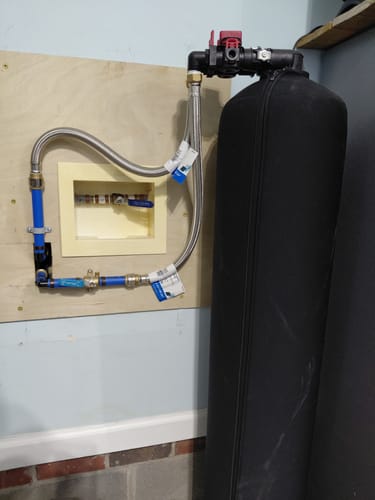
Over the past eight months, I've conducted regular testing to monitor the SoftPro ECO's performance consistency. Using both digital TDS meters and hardness test strips, I've tracked water quality changes across different seasons and usage patterns.
Baseline measurements showed our city water averaging 12 grains per gallon hardness with TDS levels around 200 ppm. Post-softening results consistently measure below 1 grain per gallon hardness, with TDS reduced to approximately 160 ppm. The 40 ppm reduction represents the calcium and magnesium minerals removed through ion exchange.
Flow rate performance exceeded expectations. Even during peak usage periods – simultaneous showers, dishwasher, and washing machine operation – I measured only a 3 PSI pressure drop across the system. The 1.5 cubic foot resin bed handles our family's water demands without creating bottlenecks.
Regeneration efficiency has been remarkable. The system uses approximately 6 pounds of salt per regeneration cycle, which occurs every 8-10 days based on our usage patterns. This translates to roughly 20-25 pounds of salt monthly, well within manufacturer specifications.
How does seasonal variation affect performance?
I've noticed interesting patterns throughout different seasons. Summer months require more frequent regeneration due to increased water usage for irrigation and pool maintenance. However, the metered control automatically adjusts, maintaining consistent water quality regardless of demand fluctuations.
Winter performance has been equally impressive. Maryland's cold weather occasionally affects municipal water mineral content, but the SoftPro ECO maintains stable output quality. The basement installation protects the system from temperature extremes that might affect less robust units.
Long-term resin bed performance shows no degradation after eight months of city water processing. The chlorine-resistant resin formulation is clearly delivering on its durability promises, maintaining capacity and efficiency without premature wear.
Daily Life Impact and Household Changes
The transformation in our daily water experience has been nothing short of remarkable. Within the first week, my wife noticed her hair felt softer and more manageable after shampooing. The "squeaky clean" feeling we now get after showering is completely different from the filmy residue we lived with before.
Our glassware emerges from the dishwasher crystal clear without any spots or residue. Coffee tastes noticeably better without the metallic undertones that masked the actual flavor profiles. Even our ice cubes are clearer and taste cleaner in beverages.
Soap and detergent efficiency has improved dramatically. We're using about 40% less laundry detergent and fabric softener while achieving better cleaning results. Clothes feel softer and colors appear brighter without the mineral buildup that was dulling fabric appearance.
Bathroom maintenance has become significantly easier. Those stubborn white deposits on faucets and showerheads are completely gone. I used to scrub mineral buildup weekly; now I simply wipe surfaces during routine cleaning.
What unexpected benefits have we discovered?
Our water heater efficiency has improved measurably. Monthly energy bills show a 10-12% reduction in heating costs as the system operates without fighting calcium carbonate insulation on heating elements. The unit reaches target temperatures faster and maintains them more efficiently.
Skin condition improvements were an unexpected bonus. Both my wife and teenage daughter report less dryness and irritation, particularly during winter months when heated indoor air typically exacerbates skin problems. They're using less moisturizer and experiencing fewer breakouts.
Plumbing fixture longevity appears to be improving. Our relatively new fixtures are maintaining their finish and functionality without the gradual degradation we experienced previously. Showerheads maintain full flow rates without periodic mineral removal treatments.
Operating Costs and Long-Term Economics
Monthly operating costs have been lower than anticipated. Salt consumption averages 22-25 pounds per month at approximately $6-8 depending on the brand purchased. I buy 40-pound bags from the local home improvement store, so monthly salt costs run about $3-4.
Electricity consumption is minimal – the digital control head draws less power than a typical night light. Annual electrical costs for system operation are negligible, probably under $15 yearly based on our utility rates.
Water usage for regeneration cycles averages 45-50 gallons per cycle, occurring every 8-10 days. At Maryland's municipal water rates ($4.50 per 1,000 gallons), regeneration water costs approximately $2.50 monthly.
Total monthly operating expenses run $6-8, significantly less than we were spending on additional detergents, cleaning products, and appliance maintenance due to hard water problems. The system essentially pays for its operating costs through reduced consumption of other household products.
What about long-term maintenance requirements?
Professional service isn't required annually, but I plan to have the system inspected every 2-3 years to verify resin bed condition and control head calibration. Basic maintenance involves keeping the brine tank clean and monitoring salt levels – tasks I can easily handle myself.
Replacement parts availability appears excellent through SoftPro's dealer network. The resin bed should last 10-15 years with proper maintenance, while the control head typically functions reliably for 15-20 years before requiring replacement.
Return on investment calculations show the system paying for itself within 18-24 months through reduced cleaning product usage, lower energy bills, and extended appliance lifespans. Beyond that timeframe, it's generating genuine household savings while improving our quality of life.
Looking back after eight months of ownership, I'm genuinely satisfied with the decision to install the SoftPro ECO City Water Softener. The system has delivered on every promise while exceeding my expectations for reliability and performance consistency.
The most compelling aspect isn't just the technical performance – it's the daily quality of life improvements that make this investment worthwhile. Better showers, cleaner dishes, softer laundry, and improved appliance efficiency create cumulative benefits that extend far beyond the initial purchase price.
Would I make the same choice again?
Absolutely. The SoftPro ECO has proven itself as a robust, efficient solution specifically designed for city water challenges. The combination of chlorine-resistant components, intelligent metering, and consistent performance makes it ideal for municipal water applications.
For Maryland homeowners dealing with similar hard city water issues, this system addresses the root cause rather than just treating symptoms. The investment pays dividends in improved household water quality, reduced maintenance, and genuine long-term savings.